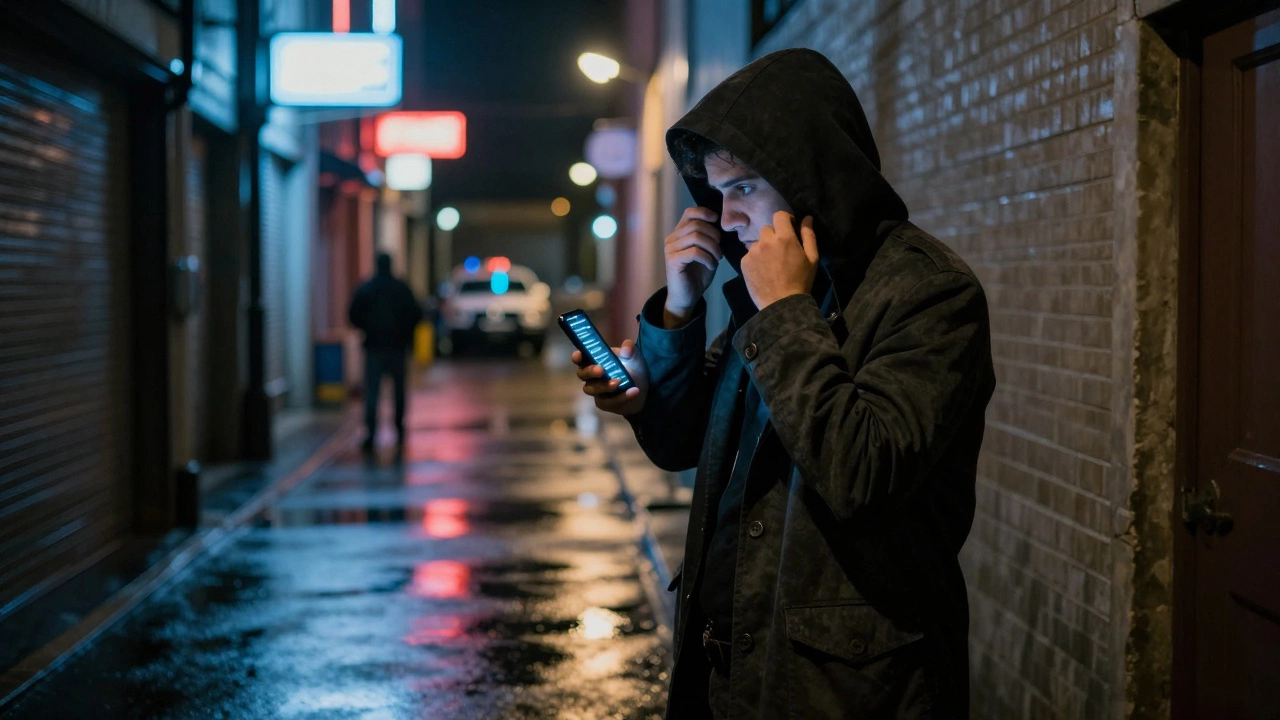
When a new administration takes office, the lives of sex workers don’t get a press release. There’s no announcement on TV, no town hall meeting. But changes in policy, enforcement priorities, and funding can mean the difference between safety and danger, between working under the radar and being dragged into court. For people who trade sex for money - whether they call themselves escorts, independent workers, or something else - the shift in power isn’t abstract. It’s immediate. And it’s often brutal.
Take the case of someone advertising as an escorts dubai. In Dubai, the legal gray zone around sex work means clients and workers operate under constant threat of arrest, deportation, or worse. While that’s far from the U.S. context, it shows how geography and law shape survival. In America, where sex work is mostly illegal at the federal level but varies by state, a new administration can tilt the scales dramatically - not by passing a law, but by telling prosecutors where to look.
How Enforcement Changes Overnight
Under the previous administration, federal agencies like the FBI and HHS focused on trafficking, not consensual adult work. That meant raids targeted organized rings, not individuals selling sex alone. But a new administration might flip that script. Suddenly, police are told to prioritize "public nuisance" or "solicitation" charges - even if no coercion is involved. In cities like Atlanta, Seattle, and Los Angeles, this shift already happened. Workers reported more sting operations, more arrests for walking near hotels, more charges for using apps to connect with clients.
These aren’t random crackdowns. They’re policy decisions made behind closed doors. The Department of Justice issues guidance. Local prosecutors get funding to expand vice units. Judges start giving harsher sentences. And the people most affected? They’re the ones who can’t afford lawyers, who don’t have stable housing, who are already marginalized by race, gender identity, or immigration status.
What Gets Cut - And Who Pays
One of the quietest but most dangerous changes under a new administration is the defunding of harm reduction programs. These are the needle exchanges, the mobile clinics, the peer-led outreach teams that help sex workers avoid HIV, get tested for STIs, or find shelter after a violent encounter. When funding shifts, these programs vanish overnight. No warning. No replacement.
In 2024, a study by the Urban Justice Center found that in cities where federal grants for sex worker health services were cut, ER visits for sexual violence rose by 37% in 18 months. That’s not coincidence. When workers can’t access safe spaces or medical care, they’re forced to take more risks just to survive.
The Rise of Digital Surveillance
Today, most sex work happens online. Apps, encrypted messaging, and payment platforms have made it easier to screen clients, set boundaries, and avoid street-based dangers. But new administrations often see digital platforms as the enemy. They pressure tech companies to ban any content that even hints at adult services. Instagram, Reddit, and Telegram have all been pressured to remove entire communities under vague "anti-trafficking" policies.
That’s not protecting people. It’s pushing them into the dark. When workers lose their digital networks, they turn to street corners or unvetted contacts. They lose access to safety lists, client reviews, and emergency alerts. And when they’re arrested, digital footprints - DMs, payment screenshots, location tags - become evidence used against them.
Why "Rescue" Isn’t Help
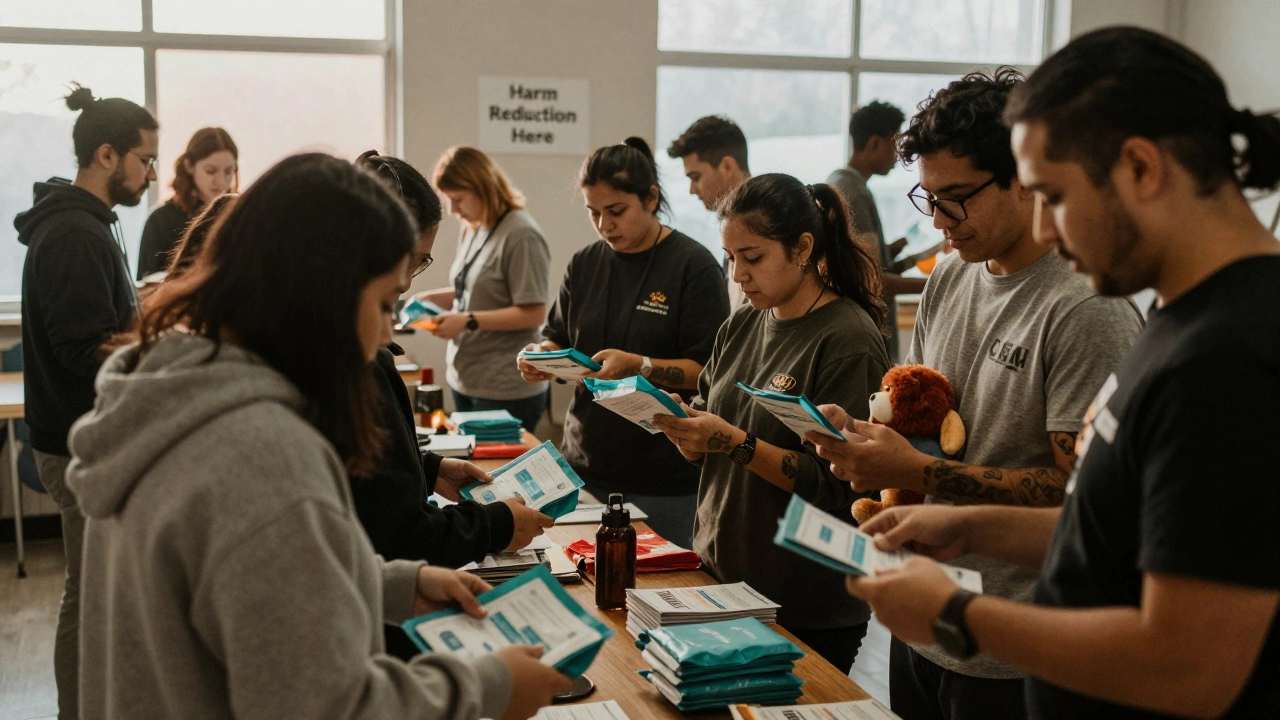
Every new administration talks about "rescuing" sex workers. They hold photo ops with nonprofits that promise to "get people off the streets." But what happens after the cameras leave? Many of these programs force people into shelters that require sobriety, religious participation, or abandoning their identity. Others hand out pamphlets about "finding a real job" - ignoring that many workers are students, single parents, or people with disabilities who rely on this income to survive.
Real help doesn’t come from forcing people into programs they didn’t ask for. It comes from decriminalization, access to banking, legal protections against violence, and the right to work without fear of arrest. Countries like New Zealand and parts of Australia have shown this works. Crime rates dropped. Workers reported higher safety. Health outcomes improved. But in the U.S., political rhetoric still treats sex work as a moral failing - not a labor issue.
What’s at Stake for Trans and BIPOC Workers
Black, Indigenous, and trans sex workers are hit hardest by policy shifts. They’re more likely to be profiled by police. Less likely to be believed when they report assault. More likely to be detained in facilities that don’t respect their gender identity. A new administration that rolls back protections for transgender people - like access to healthcare or legal name changes - makes their lives even more dangerous.
And when immigration enforcement ramps up, undocumented workers disappear from view. They stop going to hospitals. They stop calling 911. They stop using apps. They become invisible. And when they’re invisible, no one notices when they go missing.
How to Know What’s Really Happening
Don’t wait for the news to report it. Local advocacy groups track enforcement changes in real time. Organizations like the Sex Workers Outreach Project (SWOP), the Red Umbrella Fund, and local collectives in cities like San Francisco and Detroit publish weekly updates on raids, policy changes, and legal threats. If you’re a worker, know who these groups are. If you’re an ally, support them. They’re the only ones keeping real-time records.
Also watch for budget hearings. That’s where funding gets cut. That’s where police departments ask for more money to target "vice." Those meetings are rarely covered by mainstream media - but they’re where decisions are made.
What You Can Do
If you’re not a sex worker, your voice still matters. Call your city council member. Ask them if they support decriminalization. Demand funding for harm reduction, not more police. Write to your state representative. Push for laws that protect workers, not punish them.
If you’re a worker, connect with others. Use encrypted tools. Keep records of clients who treat you with respect. Know your rights - even if the system doesn’t. You’re not alone. And you’re not broken. You’re surviving a system that was never designed to protect you.
And if you’re reading this because you’re curious - ask yourself: why do we criminalize survival? Why do we punish people for trying to get by in a world that offers them so few options? The answer isn’t in new laws. It’s in how we choose to see each other.
Meanwhile, the digital world keeps changing. Some workers still find clients through platforms that haven’t been shut down yet. Others rely on word-of-mouth. A few still advertise as a dubai call girl - not because they want to be there, but because the system forced them to find any way out. And somewhere, someone is searching for a call girls dubai service right now, hoping for safety, for dignity, for a moment of peace.